
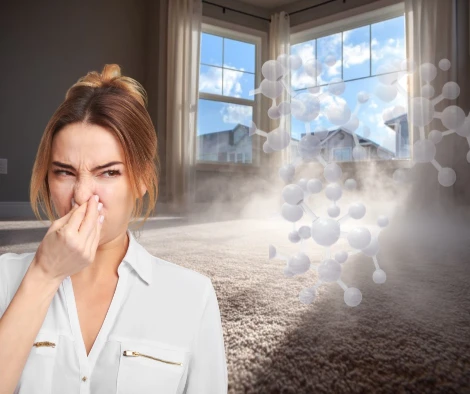
Emergency Mold Removal in Gainesville: What to Do in the First 24 Hours
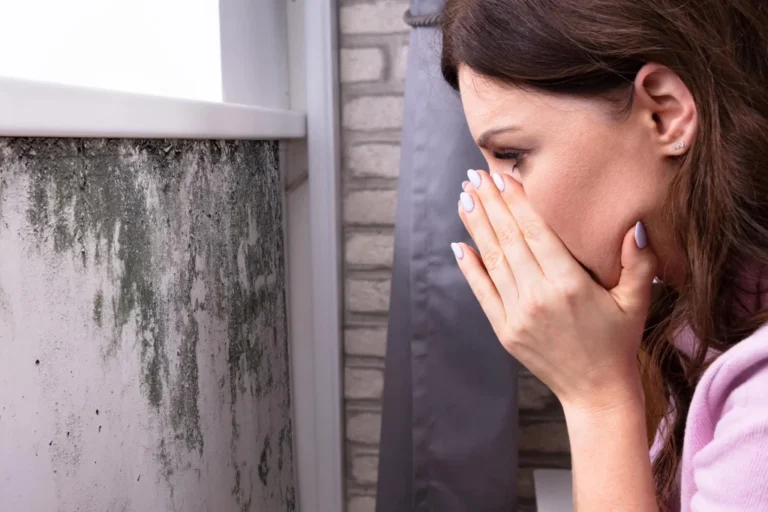
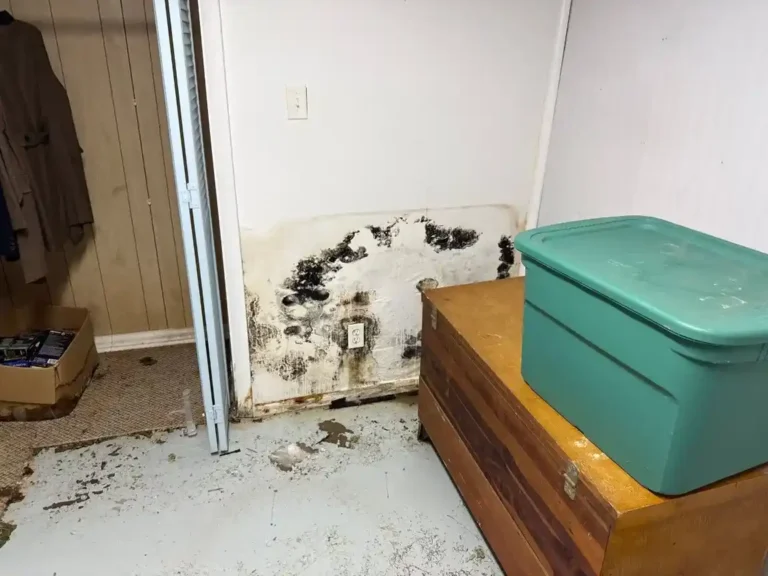
In North Florida’s subtropical climate, mold doesn’t wait for business hours, weekends, or favorable weather. A sudden burst pipe mold emergency in Gainesville, a compromised roof after a summer thunderstorm, or unchecked AC condensation can turn a minor moisture issue into a widespread colonization event overnight. If you’re staring at dark patches on drywall, smelling that persistent musty odor, or discovering wet carpet after a plumbing failure, you’re likely wondering what to do immediately after finding black mold.
The truth is, the first 24 hours are the most critical window for containment, documentation, and professional intervention. Every hour of delay allows mold spores to multiply, penetrate porous materials, and compromise indoor air quality. This comprehensive guide walks you through exactly how to secure your home, protect your family, avoid costly mistakes, and prepare for rapid response mold mitigation before the problem escalates beyond control.
1. Secure the Area & Protect Your Family First
Mold is not just a cosmetic issue—it’s a biological hazard. When fungal colonies become disturbed or release spores into the air, they can trigger respiratory distress, allergic reactions, and long-term health complications, especially for children, elderly residents, or anyone with asthma, COPD, or weakened immune systems. Alachua County’s consistently high humidity (often exceeding 75% in summer months) creates ideal conditions for aggressive fungal growth, including Aspergillus, Penicillium, and Stachybotrys chartarum (commonly referred to as toxic black mold).
Should you leave your house if you smell mold in Gainesville?
If the musty odor is strong, visible growth spans multiple rooms, or household members are experiencing coughing, sinus congestion, headaches, or eye irritation, temporary relocation is strongly recommended. While brief exposure to a faint, isolated odor is usually low-risk, prolonged occupancy during active spore release can worsen symptoms and increase cross-contamination.
Take these immediate safety steps:
- Isolate the affected space: Close all interior doors leading to the contaminated area. Seal gaps under doors with damp towels to limit airborne spore migration.
- Shut down HVAC systems immediately: Running your air conditioner or furnace without professional filtration will circulate spores through ductwork and redeposit them in clean rooms. Turn the thermostat to “OFF” and close supply vents in the affected zone.
- Use basic personal protective equipment (PPE): If you must enter the area to locate leaks or retrieve documents, wear an N95 respirator (not a standard dust mask), nitrile gloves, and safety goggles. Avoid touching surfaces directly.
- Ventilate cautiously: Only open windows if outdoor humidity is lower than indoor levels (typically early morning in Gainesville). In summer, opening windows can actually introduce more moisture and worsen colonization
Pro Tip: If you’re unsure whether the odor is mold-related, read our guide on What Causes Mold in Homes in Gainesville, FL? to identify common triggers in North Florida homes.
2. Stop the Moisture Source Immediately
Mold is a symptom of moisture. Without eliminating the water source, no cleanup effort will provide lasting results. The type of water intrusion directly impacts the urgency, safety protocols, and remediation scope.
- Category 1 (Clean Water): Burst supply lines, overflowing sinks, or rainwater through intact roofing. Low risk initially, but becomes Category 2 within 48 hours as it absorbs building materials.
- Category 2 (Grey Water): Dishwasher leaks, washing machine overflows, or sump pump failures. Contains chemical or biological contaminants that accelerate microbial growth.
- Category 3 (Black Water): Sewage backups, floodwater, or long-standing stagnant water. Highly hazardous, requires biohazard protocols and professional emergency containment zone setup.
Immediate actions to take:
- Locate your main water shut-off valve (usually near the water meter, in the garage, or under the kitchen sink) and turn it clockwise to stop active leaking.
- Use buckets, towels, or wet/dry vacuums to remove standing water, but avoid scrubbing or disturbing visible fungal growth.
- If roof damage or storm flooding is the cause, document everything before moving materials. Temporary tarps can be applied, but structural drying must follow professional moisture mapping.
- Never attempt to dry wall cavities or subfloors with residential fans alone. Improper airflow can push moisture deeper into framing, creating hidden reservoirs for rapid recolonization.
Need help stopping the source fast? Our 24/7 emergency water damage restoration team can respond within hours to prevent mold colonization.
3. Critical Mistakes That Make Mold Worse
Panic-driven decisions often compound damage, increase remediation costs, and void insurance coverage. Avoid these common pitfalls:
❌ Bleach is not a mold killer on porous surfaces. While it discolors surface growth on tile or glass, it cannot penetrate drywall, wood, or insulation. The water in bleach solutions actually feeds root structures (hyphae), leading to faster regrowth. EPA guidelines explicitly recommend against bleach for indoor mold remediation.
❌ Running residential dehumidifiers or space heaters blindly. These units lack the capacity to lower moisture content in structural materials. Without professional thermal imaging moisture mapping, you may create a false sense of dryness while trapped humidity fuels hidden growth behind baseboards or under flooring.
❌ Scraping, sanding, or vacuuming visible mold. Standard shop vacs and household cleaners release millions of spores into the air. Only HEPA-filtered industrial extraction units should be used in contaminated zones.
❌ Hiring unlicensed “mold cleaners.” Florida law mandates Florida Chapter 468 licensed contractors for assessment and remediation. Unlicensed operators often skip containment, skip clearance testing, and leave homes with unresolved moisture issues. Always verify license status through the Florida DBPR portal before signing contracts.
Wondering if your situation needs professional help? Learn the difference between DIY cleanup and professional mold remediation in our service guide.
4. What a Professional Rapid Response Team Actually Does
When you call for same day mold removal Gainesville FL, licensed technicians don’t just “wipe down walls.” They follow a standardized, science-backed process aligned with the IICRC S520 standard for professional mold remediation. Here’s what happens during the first 24–48 hours:
✅ Emergency Dispatch & Site Assessment: Technicians arrive within hours (often offering after hours emergency dispatch service for weekend or late-night calls). They use moisture meters, infrared cameras, and hygrometers to map the full extent of saturation, even behind finished surfaces.
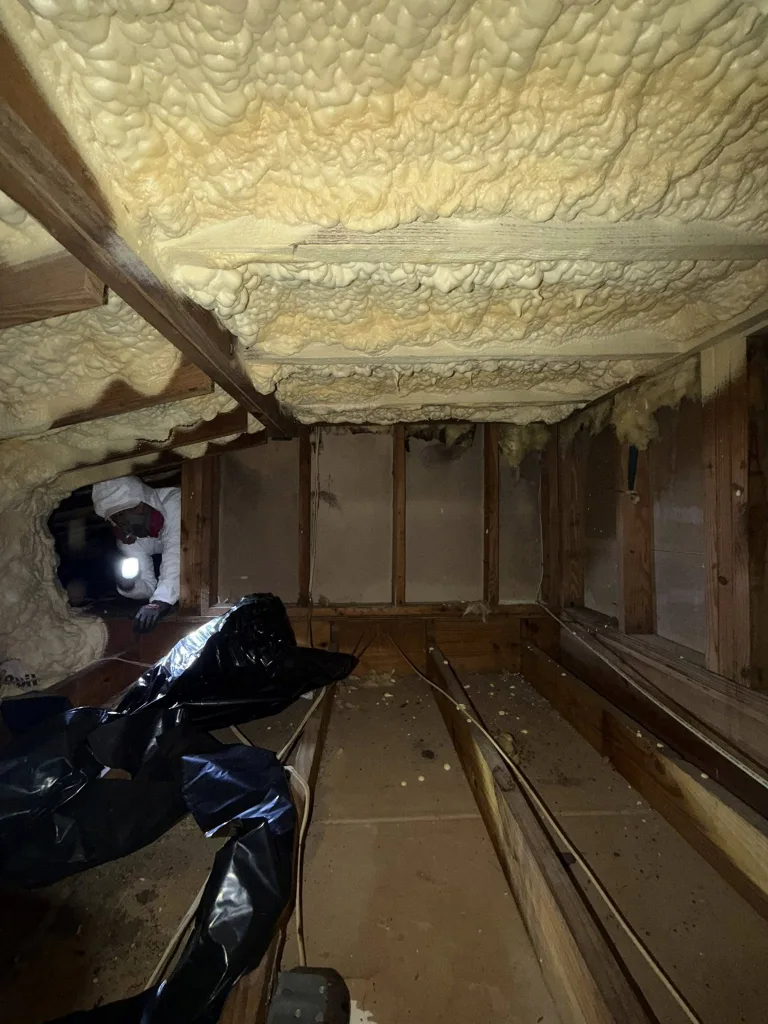
✅ Containment & Negative Air Pressure: The affected zone is sealed with 6-mil polyethylene barriers. Industrial air scrubbers create negative air pressure, ensuring spores flow outward through HEPA filters rather than into clean living spaces.
✅ Controlled Removal & Structural Drying: Porous materials (drywall, insulation, carpet padding) that exceed safe moisture thresholds are carefully removed and bagged. Non-porous structural components undergo targeted antimicrobial treatment and industrial dehumidification.
✅ Air Filtration & Decontamination: HEPA air scrubbers run continuously during demolition and drying phases. All surfaces are vacuumed with HEPA units, and final wiping removes residual spores and microbial volatile organic compounds (MVOCs).
✅ Post-Remediation Verification (PRV): An independent third-party assessor conducts air and surface sampling to confirm spore counts are below outdoor baseline levels. Only after PRV clearance is reconstruction approved.
This protocol ensures rapid response mold mitigation Gainesville residents can trust isn’t just a quick fix, but a permanent resolution backed by industry standards and verifiable testing.
5. Insurance & Documentation: How to Protect Your Claim in Florida
Mold-related insurance claims in Florida are highly scrutinized. Most standard homeowners policies cover “sudden and accidental” water damage, but exclude long-term humidity, neglect, or flood-related growth. The difference between approval and denial often comes down to 24-hour mold damage documentation for insurance.
Immediate documentation steps:
- Take timestamped, high-resolution photos and videos before touching anything. Capture the moisture source, affected materials, surrounding areas, and any visible growth patterns.
- Save all receipts for emergency services: water shut-off calls, temporary lodging, tarping, or after hours mold cleanup Gainesville assessments.
- Notify your insurance adjuster immediately. Many policies require prompt reporting to trigger emergency mitigation coverage.
- Request emergency mold claim assistance Florida from your contractor. Licensed pros provide detailed moisture logs, chain-of-custody photo documentation, scope-of-work reports, and PRV results that adjusters recognize and accept.
⚠️ Critical Warning: Never dispose of damaged drywall, insulation, cabinetry, or personal belongings before your adjuster or PRV technician approves removal. Premature disposal is the #1 reason claims are partially or fully denied.
📋 Need help documenting your claim? Our team provides insurance-ready remediation reports with moisture readings, photos, and scope documentation.
6. Why Gainesville’s Climate Demands Faster Action
Gainesville’s average annual humidity hovers around 70–80%, with summer months frequently pushing past 85%. Combined with frequent afternoon thunderstorms, aging plumbing in older neighborhoods, and slab-on-grade construction common in North Florida, moisture intrusion is a constant threat.
Mold doesn’t just grow on surfaces—it migrates through wall cavities, HVAC ducts, and attic trusses. In Alachua County, untreated water damage can lead to structural rot, compromised insulation R-values, and persistent indoor air quality issues that affect resale value. This is why urgent mold cleanup Alachua county isn’t optional; it’s a necessity for property preservation and family health.
Whether you’re dealing with a minor leak in Newberry, storm damage in High Springs, or attic condensation in Jonesville, the biological timeline remains the same: spores germinate within 24 hours, colonies establish by 48 hours, and structural penetration begins by day 3–5. Acting within the first day is the only way to limit scope, cost, and health exposure.
7. Location-Specific Emergency Scenarios in Alachua County
Different neighborhoods in Gainesville face unique mold risks based on construction age, soil type, and drainage patterns. Here’s how to prepare:
Older Homes (Duckpond, Northeast Gainesville)
- Common issue: Aging plumbing, original drywall, poor ventilation
- Emergency tip: Check under sinks and behind toilets first—these areas often hide slow leaks
Newer Developments (Tioga, Haile Plantation)
- Common issue: Tight building envelopes trap humidity; AC condensate line failures
- Emergency tip: Monitor AC closets and bathroom exhaust fans—condensation builds fast
Low-Lying Areas (Archer, Waldo, Micanopy)
- Common issue: Crawl space moisture after heavy rain; flood zone risks
- Emergency tip: Elevate stored items and install a crawl space dehumidifier
Rental Properties Near UF
- Common issue: High tenant turnover = delayed leak reporting
- Emergency tip: Schedule quarterly moisture inspections between leases
📍 Serving all of Alachua County: Gainesville, Alachua, Newberry, Jonesville, High Springs, Archer, Hawthorne, Waldo, Micanopy, La Crosse
FAQS
Don’t Wait for Mold to Spread
Every hour counts in Florida’s humid climate. If you’re dealing with a leak, storm damage, or sudden mold growth, Hub Mold Experts provides 24/7 rapid response mold mitigation Gainesville residents trust.
Concerned About Mold? Our certified Hub Mold Experts are ready to help—fast, safe, and professional. Contact us today and take the first step toward a mold-free home.
One Comment
Comments are closed.