How to Prevent Mold in Your Gainesville, FL Home During Humid Weather
Summer in Gainesville, Florida, is a season of vibrant green landscapes, lively community events, and, unfortunately, relentless humidity. For homeowners in Alachua County, the combination of high temperatures, frequent summer thunderstorms, and heavy dew creates the perfect breeding ground for one of the most persistent household threats: mold growth.
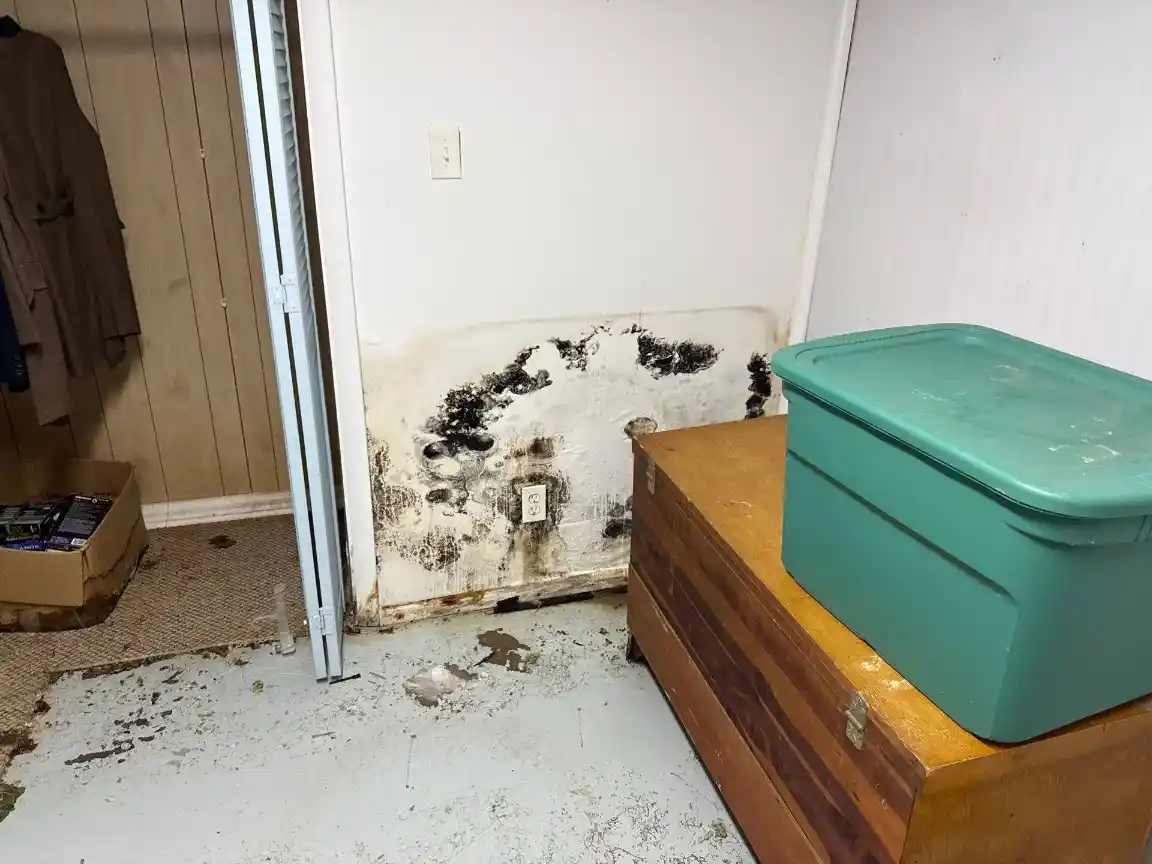
While a little condensation on your morning coffee cup is harmless, unchecked moisture inside your walls, attic, or crawl space can quickly escalate into severe moisture problems. Left unaddressed, these issues compromise your home’s structural integrity, destroy personal belongings, and severely degrade your indoor air quality.
At Hub Mold Experts, we understand the unique challenges that Gainesville’s climate poses to local homes. Whether you live in a historic property near Duckpond, a modern build in Haile Plantation, or a rental property near Archer Road, the rules of moisture management remain the same. This comprehensive guide will walk you through the science of mold, the hidden danger zones in your home, and actionable, expert-backed strategies to prevent mold growth this summer. Most importantly, we will explain when it is time to call in professionals for reliable mold removal Gainesville FL residents trust.
Understanding the Gainesville Climate and the Science of Mold Growth
To effectively prevent mold, you must first understand how it operates. Mold is not a plant or an animal; it is a type of fungus. Its primary biological function is to break down dead organic matter. In nature, this is a vital process. Inside your home, it is a destructive nuisance.
For mold growth to occur, three specific conditions must be met simultaneously:
- Mold Spores: Microscopic, invisible reproductive units of mold are omnipresent. They float through the air indoors and outdoors. You cannot eliminate them entirely, nor do you need to.
- A Food Source: Mold feeds on organic materials commonly found in homes, such as the paper backing of drywall, wood framing, ceiling tiles, carpet padding, and even the dust that settles on surfaces.
- Moisture: This is the critical trigger. Without sustained moisture, mold spores remain dormant. However, when relative humidity indoors exceeds 60%, or when liquid water is introduced via a leak or flood, spores germinate and begin to colonize within 24 to 48 hours.
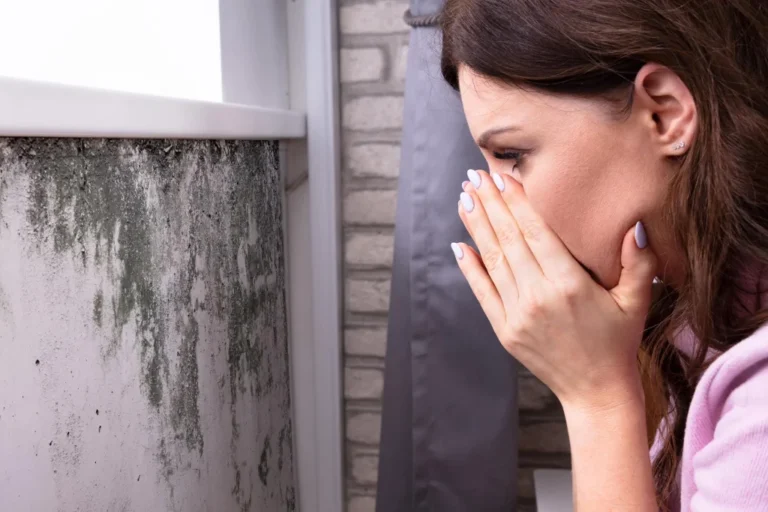
Gainesville’s average summer humidity routinely hovers between 70% and 90%. When this oppressive outdoor moisture meets the cooler surfaces of an air-conditioned home, condensation forms. Add in the sudden, heavy downpours typical of Florida summers, and the risk of water damage and subsequent mold contamination skyrockets. Homes with poor ventilation, aging plumbing, or compromised roofing are especially vulnerable.
The Hidden Moisture Problems in Your Gainesville Home
Mold rarely announces its arrival with a flashing neon sign. Instead, it thrives in hidden, dark, and damp areas. Identifying these moisture problems early is the cornerstone of effective prevention. Here are the most common culprits in Gainesville homes:
1. AC Condensation and Drain Line Backups
Your air conditioning system does more than cool your home; it dehumidifies it. As warm, humid air passes over the cold evaporator coils, moisture condenses and drips into a drain pan, exiting through a PVC drain line. If this line becomes clogged with algae, dust, or debris (a very common issue in Florida), the water backs up. This can overflow into your ceiling, walls, or the closet housing the air handler, creating an ideal environment for hidden attic mold or wall cavity mold.
2. Inadequate Bathroom and Kitchen Ventilation
Hot showers and boiling pots generate massive amounts of water vapor. If your bathroom exhaust fan is weak, clogged with dust, or improperly vented (e.g., venting into the attic instead of outside), that steam has nowhere to go. It settles on cold surfaces like mirrors, ceilings, and grout, leading to persistent mold growth that can quickly spread to adjacent drywall.
3. Silent Plumbing Leaks
A slow drip from a supply line under a kitchen sink, a failing wax ring around a toilet, or a micro-fracture in a pipe behind a shower wall can go unnoticed for months. By the time you see a water stain on the ceiling below or feel a soft spot in the floor, significant mold contamination has already taken root inside the wall cavity.
4. Roof Leaks from Summer Storms
Gainesville’s summer thunderstorms are intense. High winds can lift shingles, and heavy rain can exploit minor vulnerabilities in flashing around chimneys, vents, or skylights. Even a pinhole leak can saturate insulation and drywall, leading to severe structural water damage and mold.
5. Crawl Space and Basement Mold
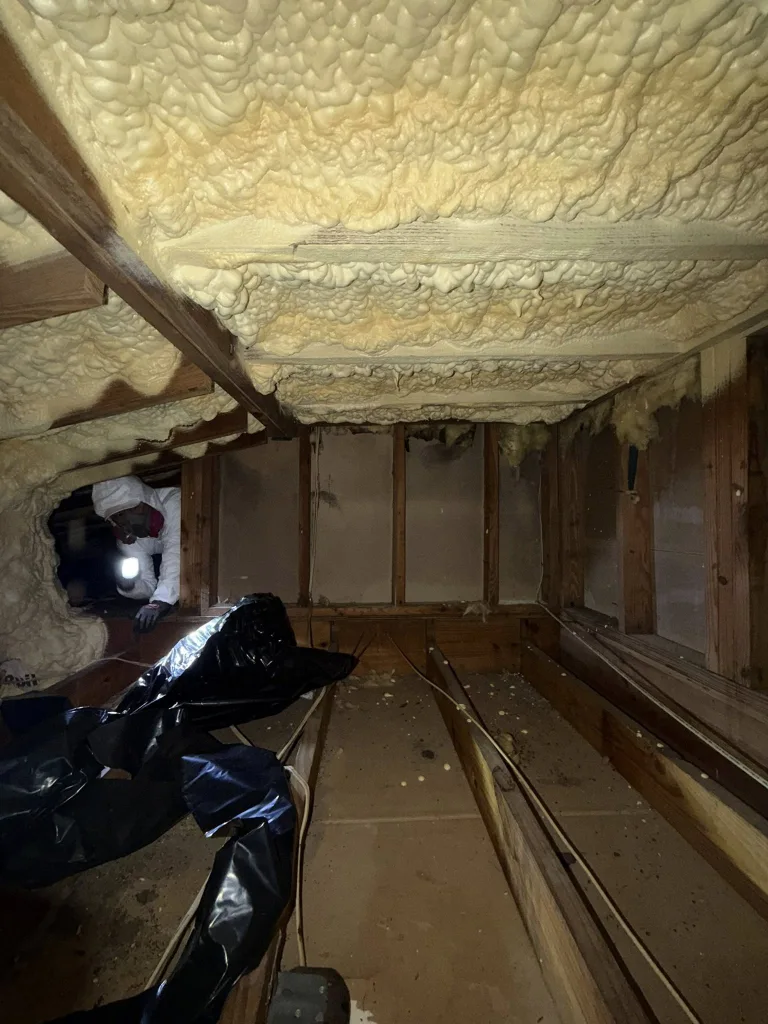
While true basements are rare in North Florida, many homes feature crawl spaces. During heavy rains, the soil around your foundation becomes saturated. Without a proper vapor barrier or adequate ventilation, this ground moisture evaporates upward into the crawl space. This creates a prime environment for crawl space mold and basement mold (in homes that have them), which then wicks up into the flooring and compromises the entire home’s indoor air quality.
The Real Risks of Ignoring Mold: Health and Property
Dismissing a musty odor or a small patch of discoloration as “no big deal” is a costly mistake. The consequences of unchecked mold extend far beyond aesthetics.
Health Risks and Indoor Air Quality
When mold colonies grow, they continuously release mold spores and microbial volatile organic compounds (mVOCs) into the air. Breathing in these particles can trigger a range of health issues, particularly for vulnerable populations like children, the elderly, and those with pre-existing respiratory conditions.
- Allergic Reactions: Sneezing, runny nose, red eyes, and skin rashes.
- Asthma Exacerbation: Mold is a known trigger for asthma attacks and chronic coughing.
- Toxic Effects: Certain species, like Stachybotrys chartarum (commonly known as black mold), produce mycotoxins. While not every black-colored mold is toxic, prolonged exposure to high levels of black mold can lead to severe fatigue, persistent headaches, and neurological symptoms. Maintaining good indoor air quality is not a luxury; it is a health necessity.
Property and Financial Risks
- Structural Degradation: Mold digests the materials it grows on. Over time, it can weaken wooden support beams, floor joists, and drywall, leading to expensive structural repairs.
- Decreased Property Value: If you plan to sell or rent your property, a history of unresolved mold issues can derail inspections, lower appraisals, and scare away potential buyers or tenants.
- Insurance Complications: Homeowners insurance typically covers mold remediation only if it is the direct result of a “sudden and accidental” covered peril (like a burst pipe). Gradual moisture problems due to lack of maintenance are usually excluded. Prompt action is your best financial defense.
7 Practical, Actionable Tips to Prevent Mold Growth This Summer
Prevention is always more affordable and less stressful than remediation. Implement these seven strategies to fortify your Gainesville home against summer mold.
Tip 1: Monitor and Control Indoor Humidity
You cannot manage what you do not measure. Purchase an inexpensive digital hygrometer and place it in different rooms, especially the basement, crawl space, and living areas. Your goal is to keep indoor relative humidity between 30% and 50%. If levels consistently exceed 60%, invest in a high-capacity standalone dehumidifier, or better yet, have an HVAC professional install a whole-home dehumidification system integrated with your AC.
Tip 2: Optimize and Maintain Your AC System
Your AC is your first line of defense.
- Change your air filters every 1–3 months.
- At the start of summer, pour a cup of distilled white vinegar down the AC condensate drain line to prevent algae buildup.
- Ensure the outdoor condenser unit is clear of debris and has adequate airflow.
- Consider installing a float switch on the drain pan, which will automatically shut off the AC if the water level gets too high, preventing catastrophic overflow.
Tip 3: Upgrade Bathroom and Kitchen Ventilation
Ensure your bathroom exhaust fans are vented directly to the outside, not into the attic. Run the fan during your shower and for at least 20–30 minutes afterward. If your current fan is old and noisy, upgrade to a high-CFM (Cubic Feet per Minute) model. In the kitchen, always use the range hood when boiling water or cooking, and ensure it vents outdoors.
Tip 4: Inspect and Maintain Your Roof and Gutters
Before the peak of storm season, conduct a visual inspection of your roof. Look for missing, cracked, or curled shingles. Check the flashing around roof penetrations. Clean your gutters and downspouts thoroughly. Ensure downspouts extend at least 5 to 10 feet away from your home’s foundation to direct rainwater away from the structure, preventing soil saturation and crawl space mold.
Tip 5: Seal Cracks and Improve Crawl Space Encapsulation
If your home has a crawl space, treat it as part of your conditioned living area. Seal any cracks in the foundation. Install a heavy-duty, overlapping polyethylene vapor barrier (minimum 6 mil) across the entire dirt floor, extending it up the foundation walls. This simple step drastically reduces the amount of ground moisture evaporating into your home, effectively neutralizing the primary cause of crawl space mold.
Tip 6: Act Immediately After Any Water Damage
Time is the enemy. If a pipe bursts, a roof leaks, or an appliance overflows, you have a 24- to 48-hour window to dry the area before mold begins to colonize.
- Stop the water source immediately.
- Remove standing water using wet-dry vacuums.
- Extract moisture from carpets and upholstery.
- Use high-powered fans and commercial-grade dehumidifiers to dry the structure. If the water damage is extensive, do not wait. Call a professional water damage and mold restoration company immediately.
Tip 7: Conduct Routine Inspections of High-Risk Areas
Make it a habit to check the usual suspects once a month:
- Look under kitchen and bathroom sinks with a flashlight for any signs of dampness or discoloration.
- Inspect the ceiling around your AC air handler.
- Check the caulking and grout around showers and tubs; re-caulk if it is cracked or peeling.
- Peek into your attic (if safe) to check for dark staining on the roof decking, a classic sign of attic mold.
Why DIY Mold Prevention Isn’t Always Enough (And When to Call the Pros)
While the preventative tips above are excellent for proactive homeowners, they are not a cure for an existing, established mold problem. Many homeowners attempt to tackle mold with bleach and a rag, but this approach is fundamentally flawed and often dangerous.
The Flaws of DIY Mold Cleaning
- Bleach is Ineffective on Porous Surfaces: Bleach may remove the visible color of mold on non-porous surfaces like tile, but it cannot penetrate porous materials like drywall or wood. The water in the bleach solution actually feeds the mold roots (hyphae) deep inside the material, causing it to grow back stronger.
- Cross-Contamination: Scrubbing or sanding moldy surfaces without proper containment violently agitates the colony, releasing millions of mold spores into the air. These spores then settle in other parts of the house, creating new colonies.
- Health Hazards: Disturbing black mold or other toxic varieties without proper Personal Protective Equipment (PPE), such as N95 or P100 respirators, exposes you to dangerous inhalation risks.
When to Call for Professional Mold Removal Gainesville FL
Do not attempt to handle the situation yourself if:
- The visible mold covers an area larger than 10 square feet (roughly a 3×3 foot patch).
- You suspect attic mold, crawl space mold, or mold inside your HVAC system.
- There is a persistent, strong musty odor, but you cannot locate the source.
- The mold is the result of contaminated water (e.g., sewage backup or floodwater).
- Anyone in the household is experiencing unexplained respiratory symptoms or allergies.
Professional remediation is not just about cleaning; it is a scientific process of containment, removal, and verification.
How Hub Mold Experts Protects Gainesville Homes
At Hub Mold Experts, we are a locally owned and operated mold remediation company serving Gainesville and Alachua County. We don’t just treat the symptoms; we solve the root cause. When you call us, you are not just hiring labor; you are hiring judgment, safety, and follow-through.
Our proven, industry-standard process ensures your home is restored safely and thoroughly:
- Comprehensive Inspection & Assessment: We use advanced moisture meters and thermal imaging to find hidden moisture problems and map the full extent of the mold contamination.
- Advanced Containment Setup: Before any work begins, we isolate the affected area using heavy-duty polyethylene barriers and negative air pressure machines. This guarantees that mold spores do not spread to clean areas of your home.
- Source Moisture Correction: We identify and advise on fixing the root cause (e.g., a leaky pipe or poor ventilation) so the mold does not return.
- Safe Removal & HEPA Filtration: We safely remove and dispose of unsalvageable porous materials. We then clean the area using specialized antimicrobial treatments and industrial-grade HEPA filtration air scrubbers, which capture 99.97% of airborne particles, dramatically improving your indoor air quality.
- Post-Remediation Verification: We do not consider the job done until moisture readings confirm the area is completely dry and a visual inspection confirms all mold has been eradicated. We provide clear, detailed documentation for your records or insurance claims.
FAQS
Conclusion: Take Control of Your Home’s Health Today
Living in Gainesville means enjoying a beautiful, vibrant community, but it also requires vigilance against the relentless summer humidity. Mold growth is a predictable consequence of unchecked moisture problems, but it is entirely preventable with the right knowledge and proactive maintenance.
By monitoring your humidity, maintaining your AC and plumbing, and acting swiftly at the first sign of water damage, you can protect your family’s health and your property’s value. However, if you suspect that mold spores have already taken hold, do not gamble with DIY solutions.
Your home deserves the judgment, safety, and thoroughness that only certified professionals can provide. At Hub Mold Experts, we are committed to delivering clear answers, safe remediation, and results that last. We treat your home with the respect it deserves, ensuring your indoor air quality is restored and your peace of mind is guaranteed.
Don’t let hidden mold compromise your home. If you notice a musty odor, unexplained allergies, or visible signs of moisture, act now.
Book Your Mold Inspection Online to schedule a fast, professional, and comprehensive assessment. We offer 24/7 emergency response because mold does not wait for business hours, and neither do we.