
What Causes Mold in Homes in Gainesville, FL?
If you live in Gainesville, you know the drill: hot summers, heavy rain, and humidity that sticks to your skin the moment you step outside.
That same Florida weather that keeps our lawns green and our oaks thriving also creates the perfect environment for something less welcome—mold removal in Gainesville, FL.
Maybe you have noticed dark spots creeping along your bathroom ceiling. Maybe there is a musty smell in the hallway that air fresheners just cannot fix. Or maybe your family has been dealing with more coughing, sneezing, or itchy eyes indoors than usual.
If any of this sounds familiar, you are not alone. Mold is one of the most common concerns for local homeowners—and the good news is, it is completely manageable when you understand what causes it and how to stop it.
At Hub Mold Experts, we have helped hundreds of families across Gainesville, Alachua, Newberry, Jonesville, High Springs, Archer, and Waldo take control of mold and moisture issues. In this guide, we will walk you through the real reasons mold growth happens in North Florida homes, how quick water damage response plays a key role in prevention, how to spot warning signs early, and what steps you can take to protect your home and your health—without the stress.
Why Does Mold Grow in Gainesville Homes?
Mold is a natural part of our environment. Spores float in the air everywhere—outside, inside, in your car, on your clothes.
But mold only becomes a problem when it finds three things indoors: moisture, warmth, and a food source like drywall, wood, dust, or fabric.
Gainesville’s climate checks all three boxes almost year-round. Here is what that looks like in real homes:
High Humidity and Everyday Moisture Problems
Alachua County regularly sees indoor humidity levels between 60% and 80%, especially from spring through fall.
When humidity stays above 60% for more than 48 hours, mold spores settle on surfaces and start feeding. Bathrooms, kitchens, laundry rooms, and crawl spaces are the most vulnerable.
Many homeowners think their air conditioner handles all the moisture. But during mild weather or after heavy rain, the AC may not run long enough to pull adequate dampness from the air.
Many homeowners don’t realize this: running a dehumidifier just 2-3 hours a day in damp rooms can cut mold risk significantly.
Simple habits that help:
- Run bathroom exhaust fans during and after showers
- Use a dehumidifier in basements or crawl spaces
- Keep interior doors open for better airflow
- Wipe down wet surfaces promptly
For persistent humidity issues, professional moisture control services can provide long-term protection.
Hidden Leaks: The Silent Mold Triggers
Not every leak shows up as a puddle.
A slow pipe behind a cabinet, worn window seals, cracked roof flashing, or poor drainage around your foundation can introduce moisture slowly over weeks or months. Even minor water damage that was never fully dried leaves behind damp drywall, insulation, or subflooring—perfect conditions for mold to grow out of sight.
We see this a lot in Gainesville homes: a small leak under the sink that was “fixed” but never fully dried. Six weeks later, mold appears behind the cabinet.
Quick response to leaks, floods, or storm damage stops mold before it starts. If you have had a leak in the past, professional water damage restoration and follow-up inspection are essential to stop mold before it takes root.
Poor Ventilation in Key Areas
Moisture needs somewhere to go. When ventilation is blocked, undersized, or missing, damp air gets trapped and condenses on cool surfaces.
Common trouble spots include:
- Attics without proper ridge and soffit vents
- Bathrooms with weak or missing exhaust fans
- Laundry rooms that vent into crawl spaces instead of outside
- Closets or pantries against exterior walls with poor airflow
Simple upgrades—like installing a properly rated bathroom fan, cleaning dryer vent ducts annually, or adding attic ventilation—can significantly reduce your risk of attic mold, basement mold, or crawl space mold.
AC and HVAC System Issues
Your air conditioner does more than keep you cool—it also pulls moisture from your home.
But if your system has a clogged condensate drain, dirty evaporator coil, leaky ductwork, or is oversized and short-cycles, it can actually trap humidity inside.
Many local homeowners discover mold growing in or around their HVAC system after a hot, humid week when the unit struggled to keep up. Mold in ducts or on cooling coils gets blown into every room when the system turns on, spreading spores and worsening indoor air quality.
Quick fixes:
- Replace AC filters every 1-3 months
- Schedule annual HVAC maintenance
- Flush condensate lines before summer
- Consider a UV light system to inhibit mold growth in ducts
Seasonal Risks: What Changes Throughout the Year
Mold and moisture issues do not follow a strict calendar, but Gainesville’s weather patterns create predictable risk windows:
| Season | Common Risk | Quick Prevention Tip |
|---|---|---|
| Summer Storms | Heavy rain overwhelms gutters, floods crawl spaces | Check drainage after every storm |
| Spring AC Startup | Clogged drains or dirty coils after winter | Schedule maintenance before peak season |
| Fall Leaf Buildup | Clogged gutters redirect water toward foundation | Clean gutters twice a year |
| Winter Condensation | Cool air + indoor heat = moisture on windows | Use exhaust fans and monitor humidity |
Staying aware of these shifts helps you act before small issues become big problems.
Warning Signs You Should Not Ignore
You do not always need to see mold to know it is there. Watch for these reliable indicators:
- A persistent musty, earthy, or damp smell that does not go away with cleaning
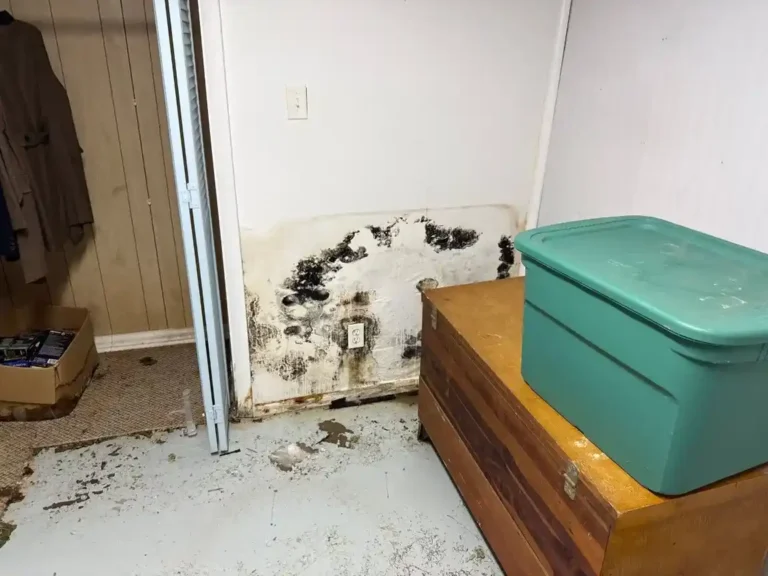
- Visible discoloration: black, green, gray, brown, or white fuzzy patches on walls or grout
- Peeling paint, bubbling wallpaper, warped drywall, or cupping hardwood floors
- Water stains, discoloration, or soft spots on ceilings, walls, or floors
- Unexplained allergy symptoms that improve when you leave the house
- Recent plumbing leaks or flooding that was not professionally dried
- Condensation that forms quickly on windows or pipes
Here’s what we’ve learned after helping hundreds of local families: if you smell mustiness but cannot find the source, it is often hiding behind walls or under flooring.
If you notice even one of these signs, it is time to investigate further. Professional leak detection and moisture mapping can find hidden dampness long before mold becomes visible.
Why Mold and Moisture Issues Matter
Mold and untreated water damage are far more than cosmetic issues. Left unaddressed, they can impact your family’s well-being and your home’s long-term value.
Health Impacts
Mold releases microscopic spores and volatile organic compounds (VOCs) into the air. Breathing these particles can:
- Trigger or worsen asthma
- Cause respiratory irritation or chronic sinus issues
- Create skin or eye discomfort
- Lead to fatigue or sleep disruption
Children, older adults, pregnant individuals, and anyone with allergies or a weakened immune system are especially vulnerable.
Property Damage
Mold feeds on organic building materials. Over time, it:
- Breaks down drywall paper and rots wooden studs
- Degrades insulation and weakens subflooring
- Leaves stubborn odors that linger after cleaning
- Makes homes harder to sell or rent
What starts as a small patch behind a shower can spread behind walls and force costly renovations if ignored.
DIY Cleanup vs. Professional Help: When to Call a Pro
Small surface mold on non-porous materials like glass, tile, or metal can often be cleaned safely with household products, proper ventilation, and protective gloves.
But the Environmental Protection Agency (EPA) recommends professional intervention when:
- Mold covers more than 10 square feet
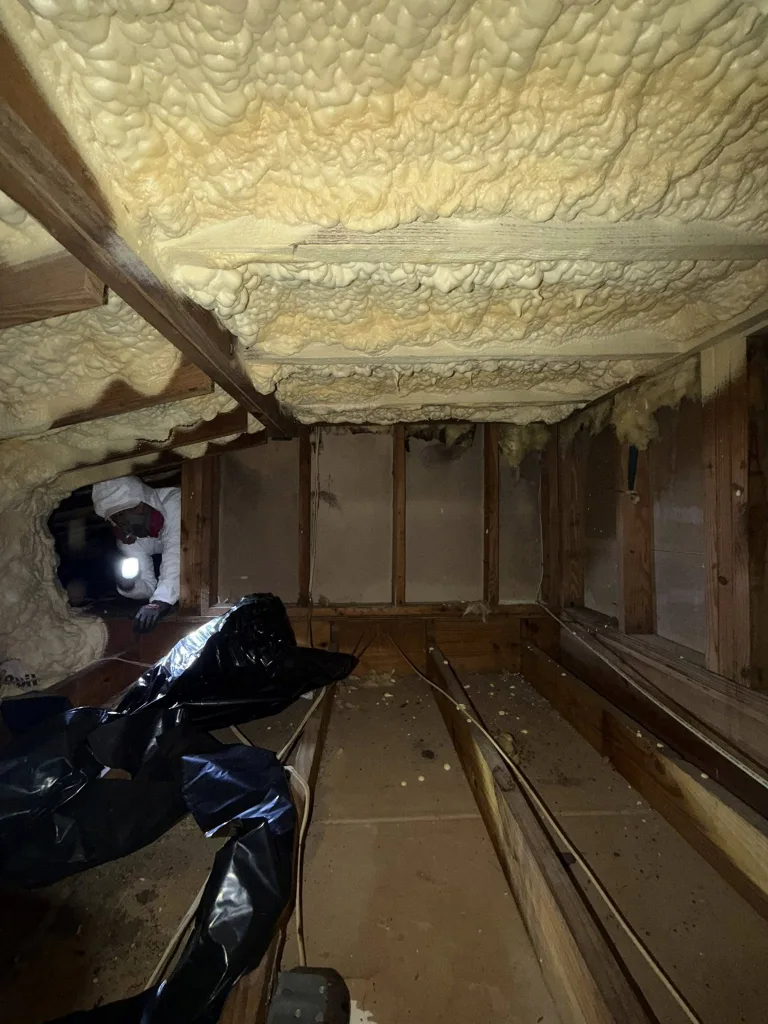
- HVAC systems, attics, or crawl spaces are involved
- Porous materials like drywall, carpet, or insulation are contaminated
- Mold keeps returning after cleaning
- A child, elderly person, or asthmatic lives in the home
- Recent flooding or storm damage occurred
Why professional help matters: Scrubbing or spraying mold without proper containment can aerosolize spores and spread them to clean areas. Harsh chemicals like bleach do not penetrate porous surfaces and can actually trap moisture inside drywall, making regrowth more likely.
For lasting results, professional mold remediation uses engineered containment, HEPA filtration, and EPA-registered treatments to safely remove contamination and verify the indoor environment is truly restored.
What to Expect from Hub Mold Experts
When you work with a licensed team, here is the process you should expect:
- Emergency Response & Assessment: Fast arrival to evaluate damage and stop water sources
- Inspection & Moisture Mapping: Thermal cameras and moisture meters locate all affected areas
- Water Extraction & Drying: Industrial equipment removes standing water and dries structure
- Containment & Air Filtration: Barriers and HEPA scrubbers prevent spore spread
- Safe Removal & Cleaning: Contaminated materials removed; salvageable surfaces treated
- Verification: Final testing confirms the area is dry, clean, and ready for use
This step-by-step approach ensures the problem is solved at the root—not just covered up.
Simple Prevention Tips for Gainesville Homeowners
Prevention is always easier and more affordable than remediation. Follow these practical habits:
- Keep indoor humidity between 30% and 50%
- Run bathroom exhaust fans during and after showers
- Fix plumbing leaks and roof damage immediately
- Clean gutters and extend downspouts 5+ feet from foundation
- Replace AC filters every 1–3 months
- Avoid storing cardboard directly on concrete floors
- Use mold-resistant paint in bathrooms and basements
- Check under sinks and behind appliances quarterly
Pro tip: Place a simple hygrometer in your basement or crawl space. If it reads above 60% regularly, it is time to add a dehumidifier.
Final Thoughts: Take Control Today
Mold and moisture issues do not have to win.
By understanding the causes—humidity, hidden leaks, poor ventilation, and AC issues—you can take proactive steps to keep your home dry and healthy. But when problems do appear, timely action makes all the difference.
Do not wait for a small issue to become a costly repair or a health concern. If you suspect mold growth, notice unexplained odors, or want peace of mind after a leak, Hub Mold Experts is here to help.
FAQS
Get Expert Help Before the Problem Gets Worse
Mold and moisture issues don’t fix themselves—and the longer you wait, the more damage they can cause.
If you’ve noticed musty odors, visible spots, or signs of water damage, now is the time to take action.
At Hub Mold Experts, we provide fast, reliable, and professional mold remediation and moisture control services across Gainesville and surrounding areas.
Here’s what you can expect:
- Accurate identification of the moisture source
- Clear, honest recommendations (no confusing jargon)
- Professional remediation done safely and correctly
- Long-term solutions to prevent mold from coming back
Schedule your Inspection online in minutes
Don’t wait until a small issue turns into a costly repair.
Protect your home, your health, and your investment today.
Hub Mold Experts — Trusted Mold & Water Damage Specialists in Gainesville, FL
Call Now to speak directly with a local expert